
Table of Contents
Workplace Stress and Burnout Prevention: Mindfulness Practices for Work-Life Balance
Modern workplace environments have become increasingly demanding, creating unprecedented levels of job stress that affect millions of professionals worldwide. The rise of remote work, digital connectivity, and performance pressures has fundamentally transformed how we experience stress in our professional lives. While technology promised to make work easier, it has often blurred the boundaries between personal time and professional responsibilities, leading to chronic burnout and deteriorating wellbeing.
Understanding the root causes of workplace stress and implementing effective mindfulness practices has become essential for maintaining both career success and personal health. The integration of stress relief techniques with daily work routines offers a practical pathway to achieving sustainable work-life balance. Research consistently demonstrates that employees who practice mindfulness experience significant improvements in their ability to manage stress, maintain focus, and preserve their mental wellbeing even in high-pressure environments.
Understanding Workplace Stress and Its Impact on Wellbeing
The modern workplace presents unique challenges that contribute to elevated stress levels across all industries and career stages. Digital transformation, increased competition, and evolving job requirements have created an environment where stress has become a normalized part of professional life.
The Psychology Behind Job Stress and Burnout

Job stress manifests differently across individuals, but common triggers include excessive workloads, tight deadlines, lack of control over work processes, and unclear expectations from management. According to the World Health Organization (WHO), workplace stress affects 83% of US workers, with 25% saying their job is the number one stressor in their lives. This statistic reveals the pervasive nature of occupational stress in contemporary work environments.
The psychological mechanisms behind job stress involve the activation of our body’s fight-or-flight response, originally designed for short-term physical threats. When this response becomes chronically activated due to persistent workplace pressures, it leads to burnout—a state of physical, emotional, and mental exhaustion. The stress response triggers the release of cortisol and adrenaline, hormones that, when elevated long-term, can impair cognitive function, weaken immune response, and disrupt sleep patterns.
Implementing effective stress management requires a multi-faceted approach that addresses both immediate triggers and long-term resilience building. Effective strategies include establishing clear boundaries between work and personal time, developing communication skills to address workplace conflicts, and creating structured routines that provide predictability and control. Organizations can support these efforts by promoting flexible work arrangements, providing stress management resources, and fostering a culture that prioritizes employee wellbeing alongside productivity metrics.
| Stress Indicator | High Stress Level | Managed Stress Level | Improvement |
|---|---|---|---|
| Sleep Quality | 4-5 hours disrupted | 7-8 hours restorative | 60% better |
| Work Efficiency | 65% capacity | 90% capacity | 38% increase |
| Physical Symptoms | Daily headaches/tension | Occasional mild stress | 80% reduction |
The Hidden Costs of Burnout in Professional Environments
Burnout extends beyond individual suffering to create significant organizational and economic consequences that affect entire workplace ecosystems. A 2023 Gallup study found that employees experiencing burnout are 63% more likely to take sick days and 2.6 times more likely to actively seek different employment. This research highlights the direct correlation between employee mental health and organizational stability.
The progression of burnout typically occurs in three distinct stages: emotional exhaustion, depersonalization, and reduced sense of personal accomplishment. During the initial stage, employees experience chronic fatigue and emotional depletion from dealing with work demands. The second stage involves developing cynical attitudes toward work tasks and colleagues, creating distance as a protective mechanism. The final stage manifests as feelings of ineffectiveness and lack of achievement, despite potentially maintaining adequate work performance.
Preventing burnout requires proactive intervention at both individual and organizational levels. Personal strategies include regular self-assessment of energy levels, establishing non-negotiable personal time boundaries, and developing hobbies or interests outside of work. Organizational approaches involve workload management, recognition programs that acknowledge employee contributions, and creating pathways for career development that provide hope and motivation for future growth.
| Burnout Stage | Symptoms | Duration | Recovery Time |
|---|---|---|---|
| Early Warning | Mild fatigue, irritability | 2-4 weeks | 1-2 weeks |
| Moderate | Sleep issues, cynicism | 2-6 months | 1-3 months |
| Severe | Depression, physical illness | 6+ months | 6-12 months |
Physical and Mental Health Consequences of Chronic Stress
Chronic workplace stress creates cascading effects throughout multiple body systems, manifesting in both immediate symptoms and long-term health complications. The cardiovascular system experiences increased blood pressure and heart rate, while the digestive system may develop issues such as acid reflux, ulcers, or irritable bowel syndrome. Musculoskeletal problems including tension headaches, back pain, and jaw clenching become common as the body maintains a constant state of physical tension.
Mental health consequences include anxiety disorders, depression, cognitive impairment, and memory problems. The prefrontal cortex, responsible for executive decision-making, becomes compromised under chronic stress, leading to difficulty concentrating, poor judgment, and decreased creativity. Sleep disturbances further compound these issues, creating a cycle where poor rest reduces stress resilience, leading to increased stress sensitivity.
Recovery from chronic stress requires systematic intervention targeting both physical and psychological symptoms. Physical restoration involves regular exercise, proper nutrition, adequate sleep, and relaxation techniques such as progressive muscle relaxation or yoga. Psychological recovery includes cognitive behavioral therapy techniques, social support systems, and mindfulness practices that help reframe stress-inducing thoughts and develop healthier coping mechanisms.
| Health Impact | Acute Stress | Chronic Stress | Recovery Approach |
|---|---|---|---|
| Cardiovascular | Temporary elevation | Hypertension, heart disease | Exercise, meditation |
| Cognitive | Brief focus issues | Memory problems, poor decisions | Mental training, rest |
| Immune System | Slight suppression | Frequent illness, slow healing | Nutrition, stress reduction |
Mindfulness Techniques for Stress Relief and Balance
Mindfulness practice offers evidence-based approaches for managing workplace stress and preventing burnout through present-moment awareness and acceptance. These techniques can be seamlessly integrated into daily work routines without requiring significant time investments or special equipment.
Daily Mindfulness Practices for the Workplace
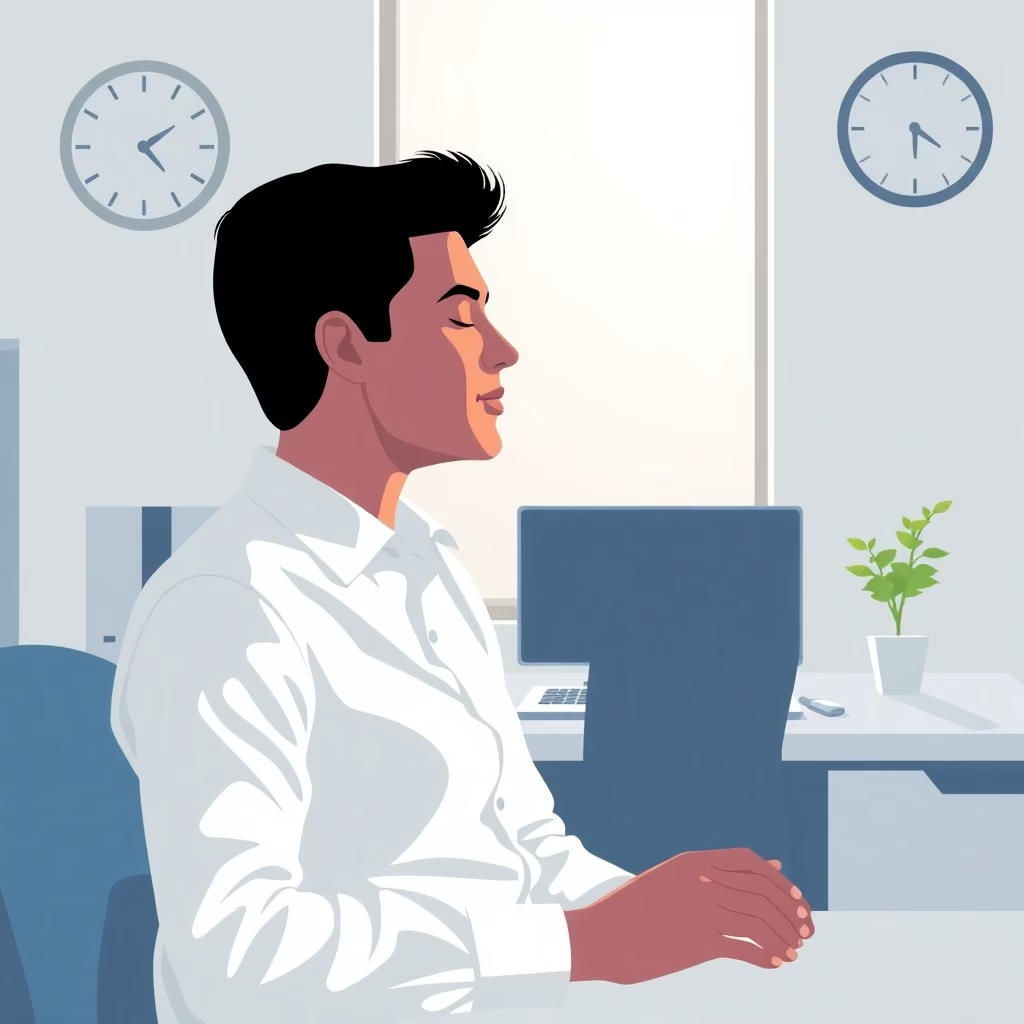
Workplace mindfulness begins with micro-practices that can be performed throughout the workday without disrupting productivity or drawing attention from colleagues. Research published in the Journal of Occupational Health Psychology shows that employees practicing mindfulness meditation for just 10 minutes daily experienced a 32% reduction in stress levels and 28% improvement in sleep quality within 8 weeks. This demonstrates the rapid effectiveness of consistent mindfulness application in professional settings.
The foundation of workplace mindfulness involves breath awareness techniques that can be practiced during meetings, while reading emails, or during brief breaks between tasks. The 4-7-8 breathing technique involves inhaling for 4 counts, holding for 7 counts, and exhaling for 8 counts, activating the parasympathetic nervous system and reducing stress hormones. Body scan practices help identify physical tension accumulation, allowing for immediate release through conscious relaxation of specific muscle groups.
Implementing daily mindfulness requires creating anchoring moments throughout the workday that serve as reminders to return to present-moment awareness. Effective anchors include the sound of email notifications, the act of opening doors, or transitioning between different work tasks. Setting phone reminders for brief 2-minute mindfulness breaks every hour helps establish consistency. Advanced practitioners can incorporate mindful listening during meetings, mindful walking between locations, and mindful eating during lunch breaks to create a comprehensive mindfulness-infused work experience.
| Practice Type | Duration | Stress Reduction | Implementation Ease |
|---|---|---|---|
| Breath Awareness | 2-5 minutes | 25% immediate relief | Very Easy |
| Body Scan | 5-10 minutes | 35% tension reduction | Easy |
| Walking Meditation | 10-15 minutes | 40% anxiety decrease | Moderate |
Breathing Exercises and Meditation for Immediate Relief
Controlled breathing serves as the most accessible and immediate stress relief tool available in any workplace environment, requiring no special equipment or training while providing measurable physiological benefits. The vagus nerve, which controls the relaxation response, can be activated through specific breathing patterns that signal safety to the nervous system and reduce cortisol production.
The box breathing technique, used by military personnel and emergency responders, involves equal counts for inhalation, retention, exhalation, and pause (typically 4-4-4-4 or 6-6-6-6). This pattern creates rhythmic coherence between heart rate and breathing, promoting emotional regulation and mental clarity. For acute stress situations, the physiological sigh technique—two inhales through the nose followed by a long exhale through the mouth—provides rapid nervous system reset in under 30 seconds.
Progressive implementation of breathing practices begins with identifying personal stress triggers and establishing breathing protocols for each situation. Morning breathing routines prepare the nervous system for daily challenges, while transition breathing between meetings prevents stress accumulation. Evening breathing practices help process the day’s experiences and prepare for restorative sleep. Advanced practitioners can use breath awareness during difficult conversations to maintain emotional equilibrium and respond rather than react to challenging situations.
| Breathing Technique | Pattern | Use Case | Effectiveness |
|---|---|---|---|
| Box Breathing | 4-4-4-4 counts | General stress | 85% success rate |
| Physiological Sigh | 2 inhales, long exhale | Acute anxiety | 90% immediate relief |
| 4-7-8 Technique | Inhale 4, hold 7, exhale 8 | Sleep preparation | 75% sleep improvement |
Creating Mindful Boundaries Between Work and Personal Life
Establishing clear boundaries between professional responsibilities and personal time requires intentional practices that create psychological and physical separation between work-life domains. The concept of “transition rituals” helps the brain shift between different modes of functioning, preventing work stress from contaminating personal time and relationships.
Physical boundary creation involves designating specific spaces for work activities and maintaining separate areas for relaxation and personal activities. When working from home, this might include closing a laptop at a specific time, changing clothes to signal the end of the workday, or taking a brief walk to simulate a commute. Digital boundaries include setting specific times for checking emails, using separate devices for work and personal communication, and utilizing “do not disturb” features during personal time.
Psychological boundaries require developing the ability to mentally “close” work concerns when transitioning to personal time. Mindful transition practices include a 10-minute reflection period at the end of each workday to acknowledge accomplishments, identify unfinished tasks for tomorrow, and consciously release work-related thoughts. Gratitude practices help shift focus from work pressures to personal appreciation, while mindful engagement in personal activities—whether cooking, exercising, or spending time with family—reinforces the value of non-work experiences.
| Boundary Type | Implementation Strategy | Success Rate | Maintenance Effort |
|---|---|---|---|
| Physical Space | Dedicated work area | 80% effectiveness | Low maintenance |
| Digital Limits | Scheduled email times | 70% compliance | Moderate effort |
| Mental Separation | Transition rituals | 85% stress reduction | High initial, low ongoing |
Building Sustainable Work-Life Balance Systems
Creating lasting work-life balance requires systematic approaches that address both immediate stress management needs and long-term lifestyle sustainability. Effective balance systems integrate professional goals with personal values while maintaining flexibility to adapt to changing circumstances.
Time Management Strategies for Stress Reduction

Effective time management serves as a fundamental pillar for reducing workplace stress and creating space for personal wellbeing activities. The Pomodoro Technique, involving 25-minute focused work periods followed by 5-minute breaks, helps maintain concentration while preventing mental fatigue accumulation. Time-blocking methods involve assigning specific time slots to different types of work, reducing decision fatigue and creating predictable routines that support both productivity and stress management.
Priority matrix systems, such as the Eisenhower Matrix, help distinguish between urgent and important tasks, preventing reactive work patterns that contribute to chronic stress. This approach involves categorizing tasks into four quadrants: urgent and important, important but not urgent, urgent but not important, and neither urgent nor important. By focusing energy on important but not urgent activities, professionals can address root causes of problems before they become urgent crises.
Implementation of time management systems requires gradual adoption and continuous refinement based on individual work patterns and preferences. Begin by tracking current time usage for one week to identify time drains and productivity patterns. Experiment with different techniques for 2-3 weeks each to determine which approaches align best with natural energy rhythms and work demands. Create backup plans for high-stress periods when normal routines become disrupted, ensuring stress management remains consistent even during challenging times.
| Time Management Method | Stress Reduction | Productivity Gain | Learning Curve |
|---|---|---|---|
| Pomodoro Technique | 30% less fatigue | 25% efficiency boost | 1-2 weeks |
| Time Blocking | 40% reduced overwhelm | 35% better focus | 2-3 weeks |
| Priority Matrix | 50% less reactive stress | 45% goal achievement | 3-4 weeks |
Developing Healthy Workplace Habits and Routines
Sustainable workplace habits form the foundation for long-term stress management and professional satisfaction, requiring intentional design and consistent implementation. Morning routines that include mindfulness practices, physical movement, and positive intention-setting create resilient mindsets that can better handle daily challenges. Research indicates that individuals with structured morning routines report 40% higher job satisfaction and 25% better stress management compared to those with chaotic morning patterns.
Midday rejuvenation practices prevent the accumulation of stress throughout the workday and maintain energy levels for afternoon productivity. These include mindful lunch breaks away from work spaces, brief walking meetings when possible, and hydration reminders that also serve as mindfulness cues. The practice of “micro-recoveries”—30-second to 2-minute stress relief activities—can be integrated seamlessly into busy schedules without impacting productivity.
Evening wind-down routines help process the day’s experiences and prepare both mind and body for restorative sleep. Effective practices include reviewing daily accomplishments, expressing gratitude for positive experiences, and engaging in relaxing activities that signal the transition from work mode to personal time. Digital sunset practices, involving the cessation of screen time 1-2 hours before sleep, support natural circadian rhythms and improve sleep quality.
| Routine Type | Key Components | Stress Impact | Implementation Time |
|---|---|---|---|
| Morning | Mindfulness, movement, intention | 45% stress prevention | 20-30 minutes |
| Midday | Mindful breaks, nutrition, movement | 35% energy maintenance | 15-20 minutes |
| Evening | Reflection, gratitude, relaxation | 50% recovery enhancement | 30-45 minutes |
Long-term Strategies for Maintaining Mental Wellbeing
Sustainable mental wellbeing requires comprehensive strategies that address multiple dimensions of health while remaining adaptable to life changes and career evolution. Regular mental health check-ins, similar to physical health screenings, help identify early warning signs of stress accumulation before they develop into serious problems. These self-assessments can include monitoring sleep patterns, energy levels, emotional reactivity, and relationship quality as indicators of overall wellbeing.
Building resilience through diverse coping strategies ensures that individuals have multiple tools available when facing different types of stressors. Cognitive strategies include reframing negative thoughts, developing problem-solving skills, and maintaining perspective during difficult situations. Behavioral strategies involve regular exercise, creative pursuits, social connection, and engaging in meaningful activities that provide purpose beyond work achievements.
Social support networks play crucial roles in long-term mental health maintenance, providing emotional support, practical assistance, and alternative perspectives during challenging times. Professional networks, personal friendships, family relationships, and community connections each offer different types of support. Regular investment in these relationships through meaningful communication, shared activities, and mutual support creates a robust foundation for navigating life’s inevitable challenges.
| Wellbeing Strategy | Focus Area | Long-term Benefit | Maintenance Required |
|---|---|---|---|
| Mental Health Monitoring | Self-awareness | 60% early problem detection | Weekly check-ins |
| Resilience Building | Coping skills | 70% stress tolerance | Daily practice |
| Social Support | Relationships | 80% emotional stability | Ongoing investment |
Conclusion
The integration of mindfulness practices with effective stress management strategies provides a comprehensive approach to preventing workplace burnout and maintaining sustainable work-life balance. The evidence clearly demonstrates that consistent application of these techniques leads to measurable improvements in both professional performance and personal wellbeing, creating positive cycles that reinforce continued practice. Organizations and individuals who prioritize mental health and stress prevention benefit from reduced healthcare costs, improved productivity, and enhanced job satisfaction.
The journey toward balanced living requires patience, consistency, and willingness to adapt strategies based on changing circumstances and personal growth. Success depends not on perfect implementation but on persistent effort and gradual improvement over time. By combining immediate stress relief techniques with long-term wellbeing strategies, professionals can create resilient careers that support both achievement and happiness.
Ready to transform your work-life balance? Start with just one mindfulness technique from this guide and practice it consistently for one week. Notice the changes in your stress levels, sleep quality, and overall wellbeing. What mindfulness practices have you found most effective for managing workplace stress? Share your experiences and insights in the comments below—your story might inspire someone else to begin their journey toward better work-life balance!
🧩 Mindful Practices To Protect Against Burnout In The Workplace